Targeted treatment
for BRCA2 m mCSPC
with a manageable
safety profile11
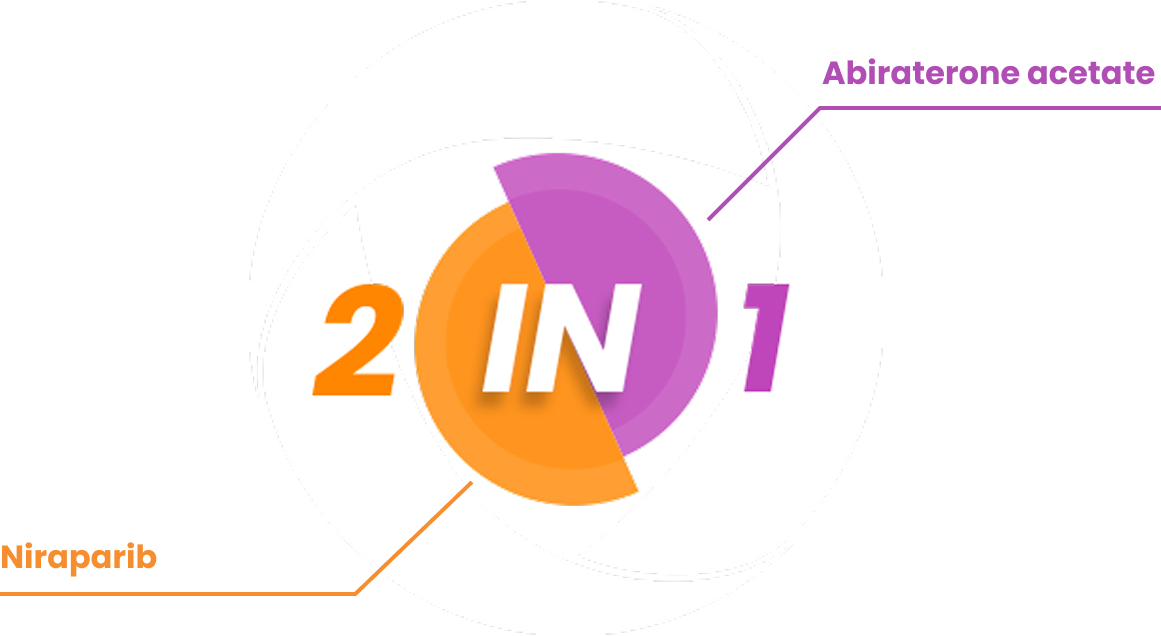
Delivers 2 therapies once-daily with1:
- 1 tablet
- 1 co-pay
- 1 prior authorization
Select patients based on an FDA-approved
test for AKEEGA®. The recommended AKEEGA® dose is 200 mg niraparib/1,000 mg
abiraterone acetate (2 tablets, once daily) + 5 mg prednisone (1 tablet daily) for patients with BRCA2 m mCSPC.1
In patients with
BRCA2 m mCSPC
in risk of radiographic
progression or death vs
standard of care (SoC*)
HR, 0.46 (95% CI, 0.32-0.66)1
Efficacy
in time to symptomatic progression (TSP) vs SoC*
(interim analysis)
HR, 0.41 (95% CI, 0.26-0.65)1
EfficacyAMPLITUDE: A phase 3, randomized, double-blind, placebo-controlled, multicenter study that evaluated AKEEGA® + P (n=348) vs placebo + AAP (n=348) in patients with HRR mutations. Of these patients, 323 had BRCA2 mutations (162 and 161 in the AKEEGA® + P and placebo + AAP treatment arms, respectively). All patients received prednisone 5 mg daily and were required to have received treatment with ADT (medical or surgical) for >14 days prior to randomization. The primary endpoint was investigator-assessed radiographic progression-free survival. Secondary endpoints included time to symptomatic progression, overall survival, and safety.1
Trial DesignThe most common adverse reactions that occurred in >20% of patients with BRCA2 m mCSPC receiving AKEEGA® and with a ≥5% difference vs SoC were hypertension (51%), musculoskeletal pain (45%), constipation (41%), fatigue (39%), nausea (30%), respiratory tract infection (23%), and arrhythmia (23%).1
References:
- AKEEGA® [Prescribing Information]. Horsham, PA: Janssen Biotech, Inc.
- Attard G, Agarwal N, Graff JN, et al. Niraparib and abiraterone acetate plus prednisone for HRR-deficient metastatic castration-sensitive prostate cancer: a randomized phase 3 trial. Nat Med. 2025. doi:10.1038/s41591-025-03961-8